
Gambling's influence A deep dive into its societal consequences
The Psychological Impact of Gambling
The psychological consequences of gambling extend far beyond the individual. Many players experience a range of emotions, from excitement and euphoria during wins to stress and anxiety during losses. This emotional rollercoaster can lead to addiction, where the thrill of gambling overshadows the risks involved. For beginners, understanding the psychological impact is crucial for both players and society, as it emphasizes the need for responsible gaming practices. Additionally, Pistolo provides valuable resources to help newcomers navigate this complex landscape.

Additionally, gambling can foster a sense of community among players, with many forming friendships and social networks around shared interests. However, this camaraderie can also mask the darker sides of gambling addiction, making it essential to balance social engagement with awareness of potential harm.
Economic Consequences of Gambling
The economic influence of gambling on society can be seen in both positive and negative lights. On one hand, casinos and gaming establishments generate substantial revenue, create jobs, and boost local economies. This influx of money can help fund public services and infrastructure projects, providing communities with vital resources.
However, the economic benefits can be overshadowed by the costs associated with gambling-related issues. Increased addiction rates can lead to higher healthcare expenses, lost productivity, and crime, placing a strain on public resources. Evaluating the true economic impact of gambling requires a balanced view of both its benefits and drawbacks.
Social Stigma and Gambling
Gambling carries a complex social stigma that can influence perceptions and behaviors. Many individuals view gambling as a moral failing or a sign of weakness, leading to shame and secrecy among those affected by gambling addiction. This stigma often prevents individuals from seeking help, further perpetuating the cycle of addiction.
On the other hand, some communities embrace gambling as a form of entertainment, creating a dichotomy in how gambling is perceived. This cultural divide highlights the necessity for open conversations about responsible gambling and support systems that can assist those struggling with addiction, encouraging societal change in perceptions.
Regulation and Legal Aspects of Gambling
The regulation of gambling varies significantly across different regions and countries, reflecting diverse cultural attitudes and social norms. Governments often impose strict regulations to protect players, ensure fair play, and prevent illegal activities associated with gambling. Effective regulation can help create safer gambling environments and mitigate the societal consequences associated with addiction.
However, regulatory frameworks can also be seen as double-edged swords. While they aim to safeguard players, overly restrictive measures can push gambling underground, leading to unregulated and potentially dangerous practices. Striking the right balance in regulation is essential for fostering a responsible gambling culture.
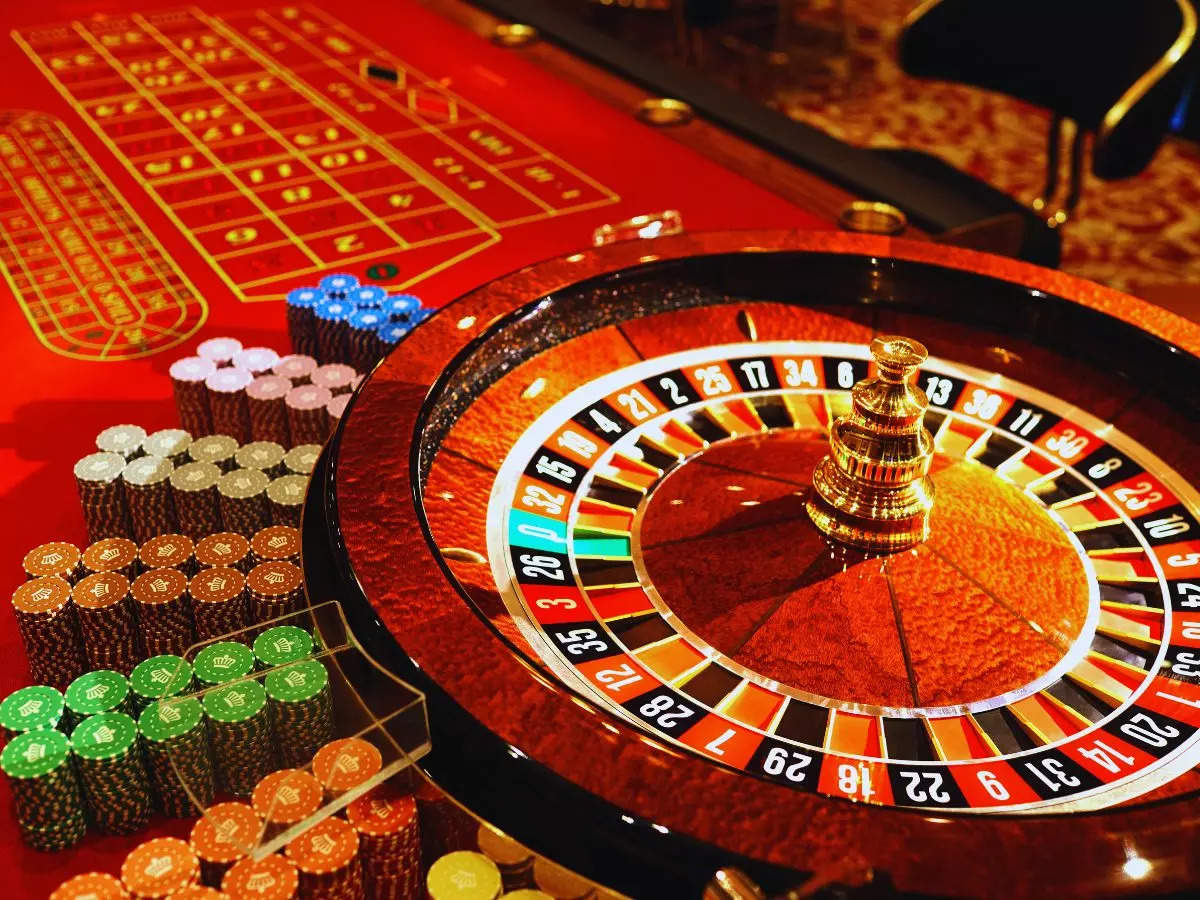
Pistolo Casino: A Responsible Gaming Environment
Pistolo Casino stands out as a modern online gaming platform dedicated to providing a safe and enjoyable experience for players. With a vast array of games, including slots, table games, and live sports betting, the casino focuses on creating an engaging environment while promoting responsible gaming practices.
By offering generous welcome bonuses and emphasizing security through valid gaming licenses, Pistolo Casino ensures that players have a rewarding yet safe gaming experience. The commitment to responsible gaming is paramount, as the site aims to create a space where players can enjoy themselves while being mindful of the potential risks associated with gambling.