
The historical evolution of gambling From ancient rituals to modern-day practices
Origins of Gambling in Ancient Civilizations
The history of gambling can be traced back to ancient civilizations where it was intertwined with religious rituals and community bonding. Archaeological findings suggest that the practice of betting on games of chance was prevalent in cultures such as the Chinese, Egyptians, and Romans. In these societies, gambling was often seen as a way to invoke the favor of the gods or, importantly, to play for real money during uncertain times, which fueled its popularity. Today, you can visit pin up casino and enjoy a similar thrilling experience.

In ancient China, around 2300 BCE, evidence of rudimentary forms of gambling such as dice games has been discovered. Similarly, the Romans utilized gambling in various forms, from betting on gladiatorial contests to using dice in their leisure activities. These early practices set the foundation for gambling as an integral part of social interaction and entertainment.
The Influence of the Middle Ages
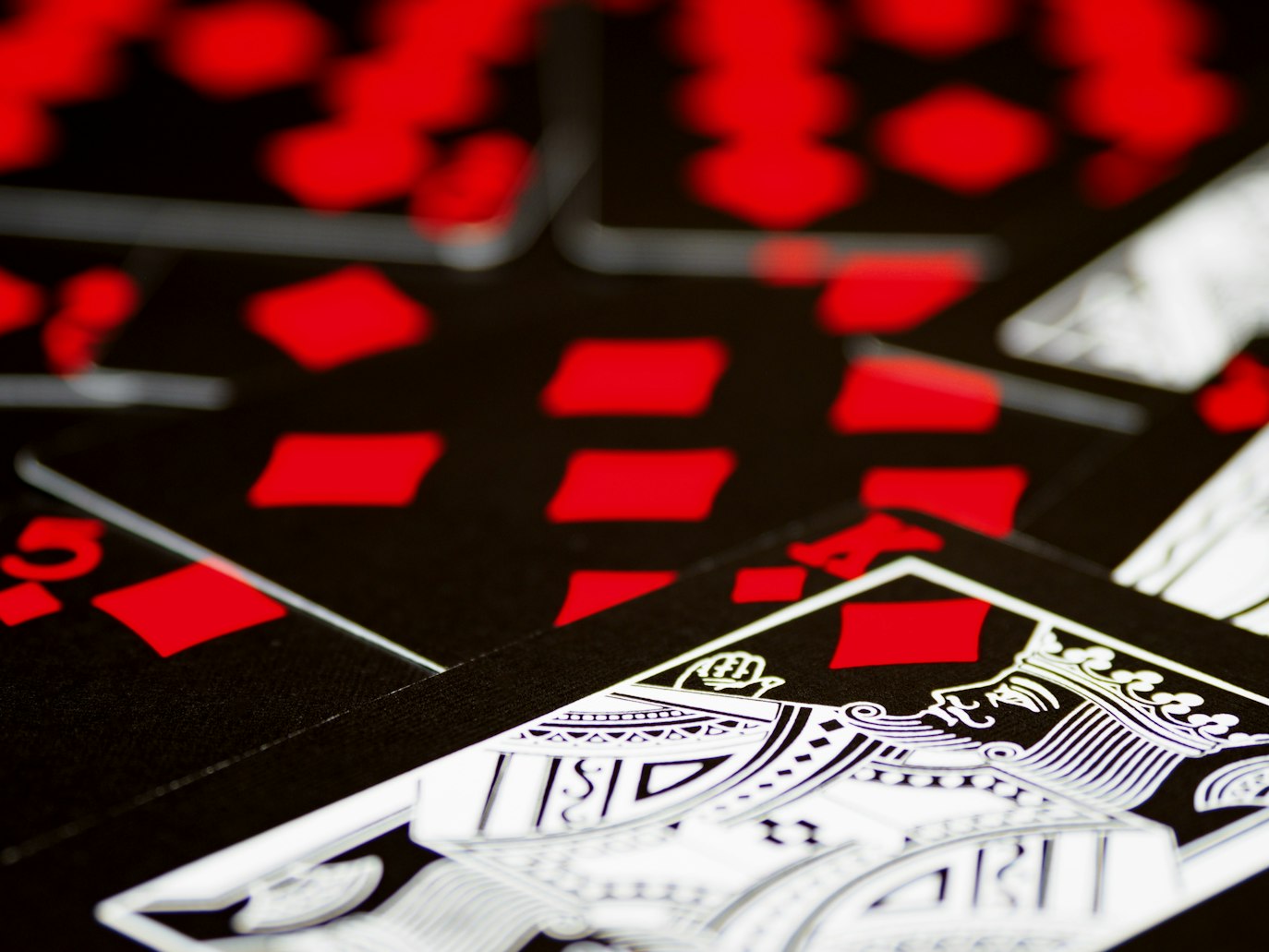
The Middle Ages marked a significant turning point in the history of gambling. During this period, many regions imposed strict regulations on gambling, as it was often associated with moral decay and negative societal impacts. However, underground gambling persisted, with games like cards becoming increasingly popular across Europe.
By the end of the Middle Ages, the first gambling houses emerged, offering an organized environment for betting. This era laid the groundwork for the development of more structured forms of gambling, leading to the establishment of official gaming laws in the following centuries. The rise of card games and their spread throughout Europe contributed to the evolving gambling culture.
The Rise of Formal Gambling Establishments
The 17th and 18th centuries heralded the establishment of formal gambling establishments, such as the first casino in Venice in 1638. This period also saw the introduction of lotteries as a means for governments to raise funds. These lotteries quickly gained popularity, allowing people from various social classes to engage in gambling.
As gambling became more accepted, the design and atmosphere of casinos evolved. These establishments not only provided a place for betting but also offered luxury and entertainment, attracting a wide array of patrons. The allure of gambling began to permeate society, influencing popular culture and the arts.
The Modern Era and Technological Advancements
The advent of the 20th century brought about profound changes in gambling, particularly with the introduction of technology. The invention of the slot machine in the late 19th century marked a significant advancement, providing players with a new form of entertainment. The emergence of online gambling in the late 1990s revolutionized the industry, allowing people to place bets from the comfort of their homes.
Today, the gambling landscape is defined by its digital transformation. Online casinos offer a vast array of games that cater to diverse audiences, from traditional table games to innovative slots. The accessibility of mobile gaming and live dealer options has further enhanced the experience, making gambling more interactive and engaging than ever before.
Pin-Up Online Casino: A Contemporary Gaming Destination
At Pin-Up Online Casino, we embrace the rich history of gambling while providing modern players with an exciting gaming experience. Our platform offers a wide variety of games, including classic table games and thrilling slots, all designed to cater to different preferences and skill levels.
With a user-friendly interface, secure payment options, and dedicated customer support, Pin-Up Casino aims to create an enjoyable environment for all players. Join us today to experience the excitement of gambling, from its historical roots to contemporary practices, right at your fingertips.