
The evolution of casinos tracing their fascinating journey through time
The Origins of Gambling
The concept of gambling dates back to ancient civilizations, where games of chance were integral to cultural rituals and social gatherings. Archaeological findings suggest that the earliest forms of betting emerged in China around 2,300 BCE with rudimentary games involving dice made from animal bones. These early games laid the groundwork for the complex gambling systems we see today, and at the forefront of this evolution is Vegastars Casino, which exemplifies modern gaming culture.
In addition to China, other ancient cultures, such as the Greeks and Romans, embraced gambling. The Greeks engaged in betting on athletic competitions, while the Romans introduced various games in social settings. These practices not only provided entertainment but also served as a means of social bonding, revealing the psychological aspects of gambling that continue to influence human behavior today.
The Rise of Formal Casinos
The 17th century marked the rise of formal casinos, beginning in Italy with establishments like the Ridotto in Venice, which was established in 1638. This venue offered a controlled environment for gambling, allowing patrons to enjoy games in a more structured setting. The popularity of casinos spread across Europe, leading to the establishment of renowned gambling houses in cities such as Paris and Monte Carlo.
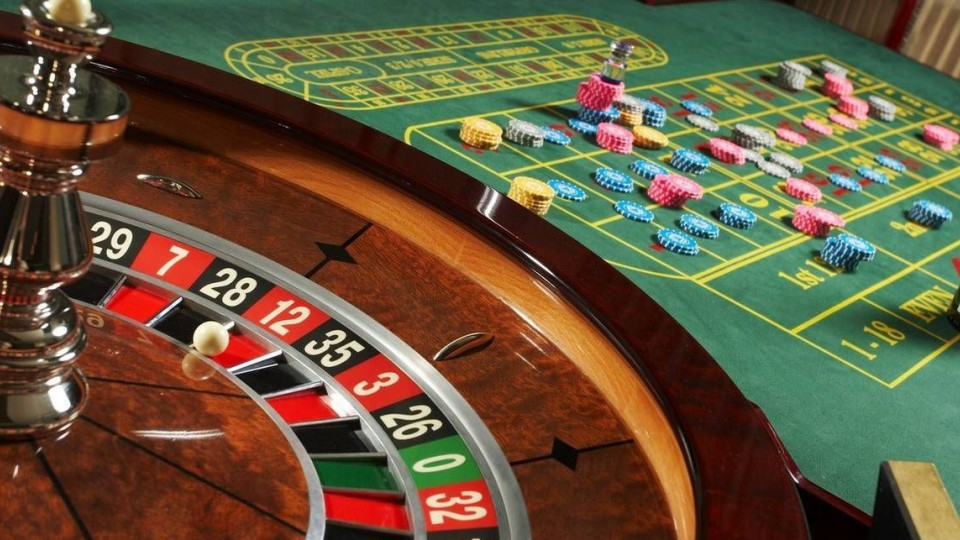
This period saw the introduction of various games, including roulette and baccarat, which became staples in modern casinos. The evolution of these games also highlighted the psychological thrill associated with risk-taking and chance, as players sought both enjoyment and potential wealth through their wagers.
The American Casino Boom
The 20th century heralded a significant transformation in the casino landscape, particularly in the United States. Las Vegas emerged as the epicenter of gambling, capitalizing on the post-war economic boom and a burgeoning tourist industry. The first legal casino, El Rancho Vegas, opened in 1941, paving the way for an influx of extravagant resorts and gaming establishments.
Casinos in Las Vegas not only featured traditional games but also incorporated entertainment, dining, and luxury accommodations, creating a holistic experience for visitors. This evolution was driven by a desire for escapism and the thrill of potential fortune, revealing deeper psychological motivations for why individuals flock to these establishments.
The Digital Transformation of Casinos
The late 20th and early 21st centuries witnessed a revolutionary shift with the rise of online gambling. The introduction of the internet allowed players to engage in casino games from the comfort of their own homes. Online casinos quickly gained popularity, offering a vast array of games and innovative technology that enhanced the gaming experience.
This digital transformation not only expanded access to gambling but also introduced new psychological dynamics. Players could now enjoy the anonymity of online gaming, leading to increased participation but also raising concerns about responsible gambling. The ability to play anytime and anywhere has changed how people interact with gambling and has necessitated new approaches to regulation and player protection.

Exploring Modern Online Gaming at Vegastars Casino
Today, online casinos like Vegastars Casino represent the culmination of the evolution of gambling. With an extensive selection of over 7,000 licensed games, including slots and table games, they provide an unparalleled gaming experience. Gamers can take advantage of enticing welcome bonuses and promotions, enhancing their journey through the virtual casino landscape.
Vegastars Casino continues to prioritize player satisfaction with quick cash-out times and innovative features. As the world of gaming evolves, online casinos will undoubtedly adapt to meet the psychological and entertainment needs of players, ensuring that the thrilling journey of gambling remains as captivating as ever.